Ground-Up Multifamily Development
Inside a $54M Ground-Up Multifamily Development: Managing Risk Before It Becomes Cost
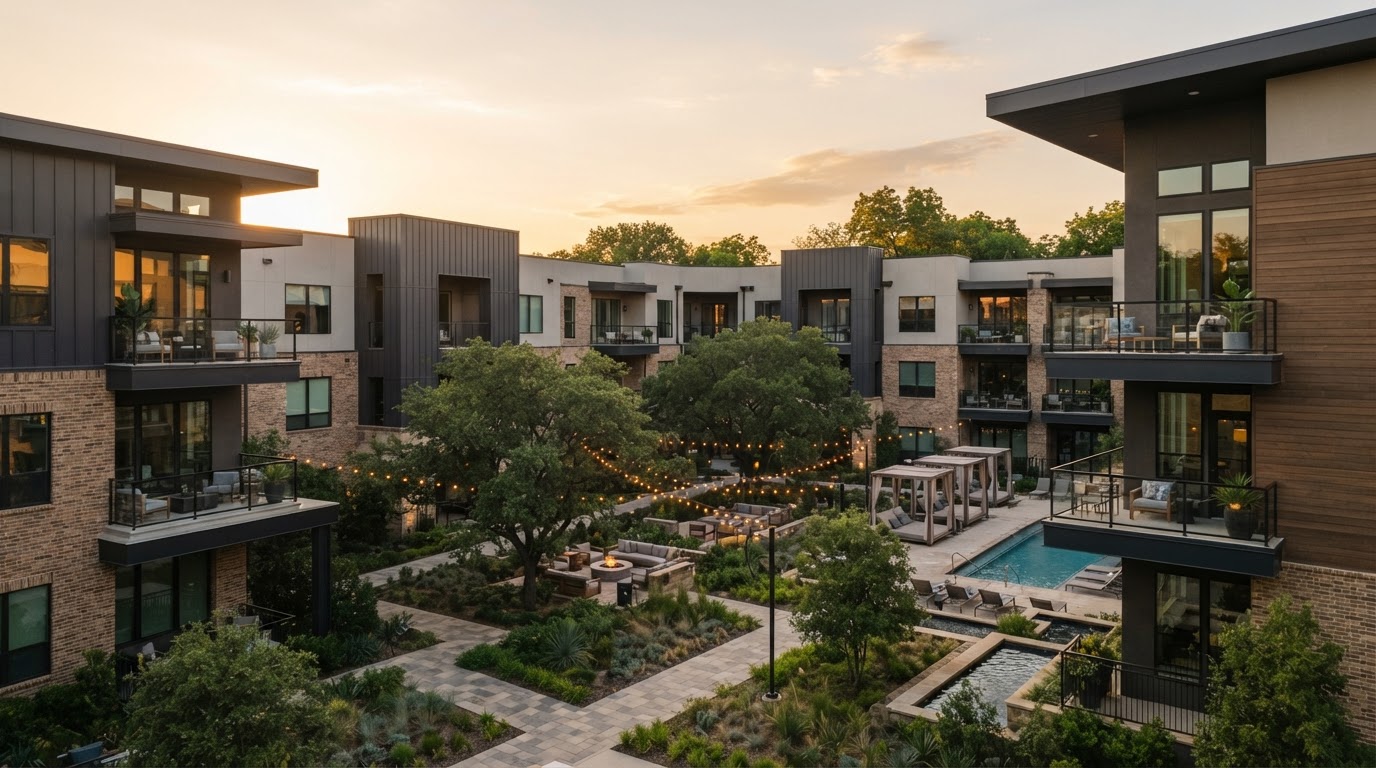
Acquired 11.5 acres of raw land for the development of a 306-unit luxury multifamily community and participated across feasibility, municipal coordination, design, financing, bidding, and development execution.
306
Units
11.5
Acres
~$54M
Project
Case Study Questions
Key Questions This Case Study Answers
What was the project?
Ground-Up Multifamily Development. Acquired 11.5 acres of raw land for the development of a 306-unit luxury multifamily community and participated across feasibility, municipal coordination, design, financing, bidding, and development execution.
What was Meetu Bhatnagar’s role?
Meetu Bhatnagar, Ph.D., CCIM participated across feasibility, coordination, and execution. The full scope of responsibilities is detailed in the Strategy and Execution sections below.
What was the historical outcome?
The outcome is described in the Outcome section below. All results are presented as historical transaction performance for educational context only. Past performance does not guarantee or predict future results.
What does this case teach commercial owners and buyers today?
Ground-up development requires more than a feasible pro forma. It requires understanding what happens when construction costs, timelines, or market conditions shift — and building enough margin to absorb that uncertainty. The key lesson is: A development should not only work when the assumptions are right. It should be examined for what happens when those assumptions change.
Project Overview
Ground-Up Multifamily Development
The project began with the acquisition of 11.5 acres of raw land for the development of a 306-unit luxury multifamily community.
The development process included feasibility and financial analysis as well as coordination across multiple disciplines required to move a project from land to execution.
The Opportunity
Identifying the Right Asset
Raw land presented an opportunity to create a luxury multifamily community from the ground up, but required navigating municipal approvals, design coordination, and construction-cost risk.
Strategy
Value Creation Approach
Scope of Responsibility
Responsibilities included:
- Project feasibility and financial analysis
- City and municipal coordination
- Civil engineering coordination
- Architectural coordination
- MEP engineering coordination
- Structural engineering coordination
- General contractor coordination
- Construction bid solicitation and evaluation
- Project budgeting
- Financing coordination
- Loan approval process
- Lender communication
- Stakeholder communication
- Development risk management
Challenge
Navigating Post-COVID Construction Volatility
One of the most significant challenges was the dramatic volatility in construction costs following COVID-era supply-chain disruptions. Lumber prices in particular became difficult to predict. Rather than underwriting the project on optimistic assumptions, substantial contingency protection was built into the project model.
$3M
Dedicated Lumber Contingency
5%
Additional General Project Contingency
A development should not only work when the assumptions are right. It should be examined for what happens when those assumptions change.
Execution
Execution
The objective was to create enough margin in the project to absorb potential construction-cost increases without depending on perfect market conditions.
Outcome
Outcome
The project proceeded through acquisition, entitlements, design coordination, financing, and development execution with contingency protection designed to absorb post-COVID construction volatility.
Key Takeaway
Key Takeaway
Ground-up development requires more than a feasible pro forma. It requires understanding what happens when construction costs, timelines, or market conditions shift — and building enough margin to absorb that uncertainty.
A development should not only work when the assumptions are right. It should be examined for what happens when those assumptions change.
Explore Your Deal
Before You Fall in Love With the Deal, Test the Assumptions.
Every commercial property has a story. The asking price tells you what the seller wants. The pro forma tells you what someone hopes will happen. The real question is: what happens when the assumptions meet reality?
Start with the complimentary Deal Room Check.
Other Selected Experience
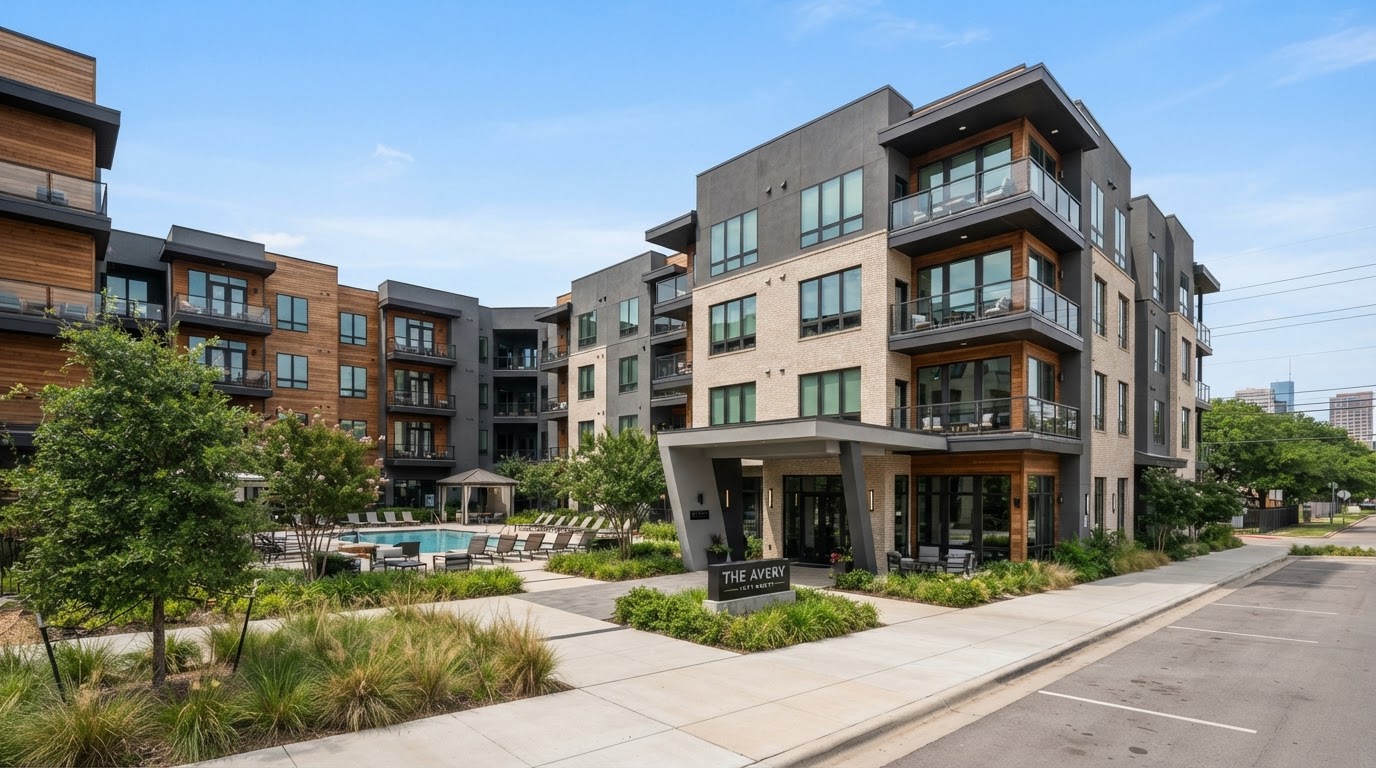
Multifamily | Fort Worth, Texas
418 Units in Fort Worth: What Created Value Between Acquisition and Exit
View Case Study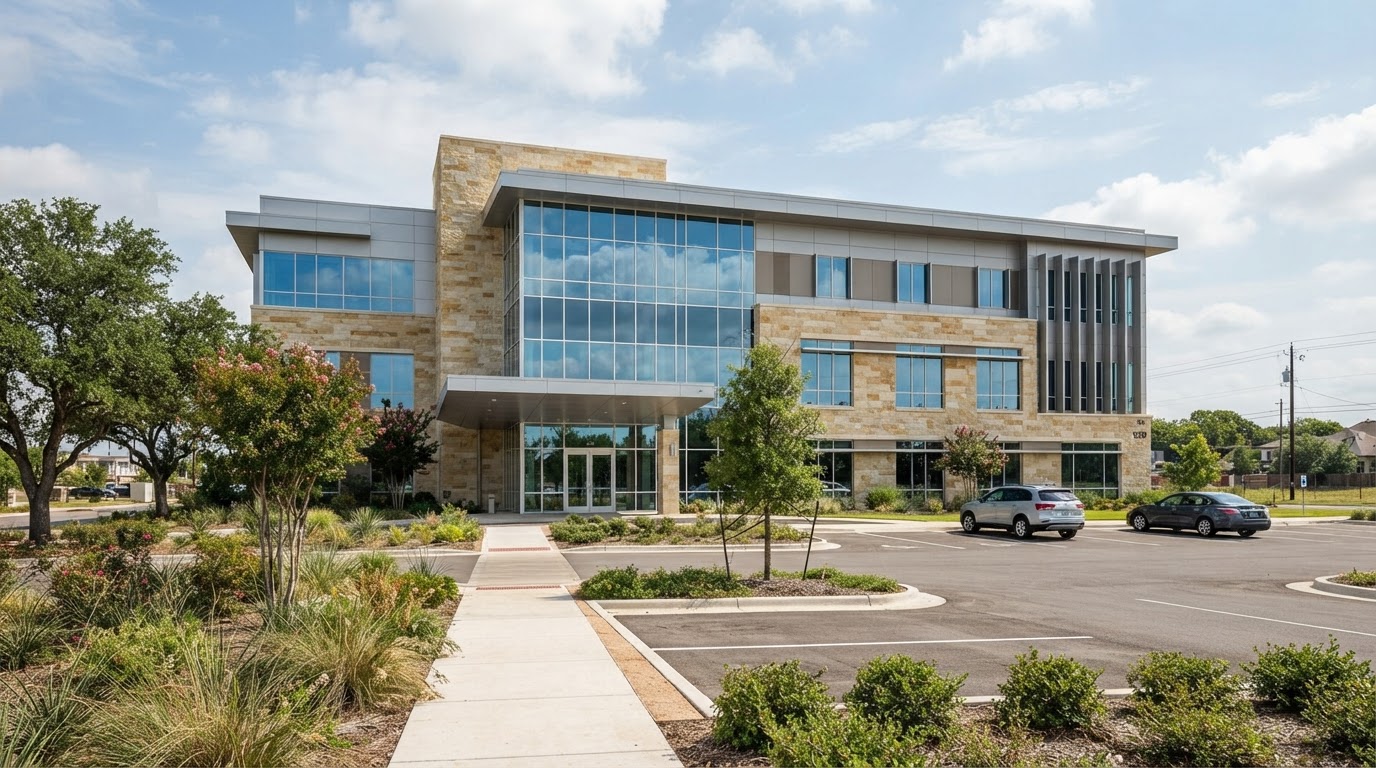
Class A Medical Office | Sherman, Texas
A Class A Medical Office NNN Transaction: Basis, Tenant Profile and Exit Discipline
View Case Study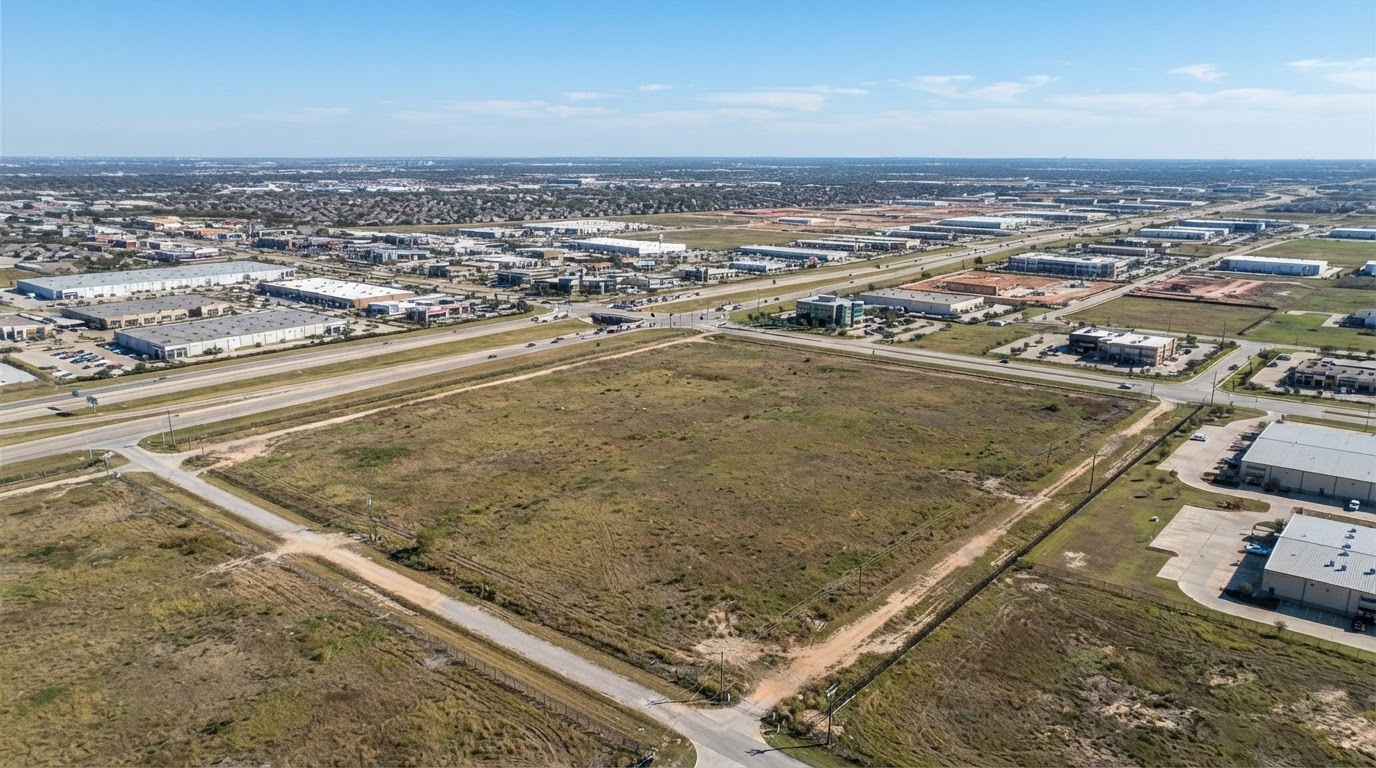
Strategic Land Acquisition
29-Acre Land Acquisition
View Case StudyCase Study Questions
Frequently Asked Questions
Important Disclosure
The transactions described above are historical case studies provided for educational and informational purposes. Individual transaction outcomes vary, and past performance does not guarantee or predict future results. Figures may be rounded and, where indicated, represent gross transaction-level calculations before applicable financing costs, transaction expenses, taxes, fees, and other adjustments. Tax treatment depends on individual circumstances; consult an appropriately qualified tax professional regarding tax matters. JMD Signature Real Estate Group provides commercial real estate brokerage and related real estate services and does not provide legal, tax, securities, or individualized investment advice.