Multifamily | Fort Worth, Texas
418 Units in Fort Worth: What Created Value Between Acquisition and Exit
A 418-unit multifamily acquisition with an operational value-add strategy focused on NOI growth, expense management, ancillary income, and disciplined exit timing.
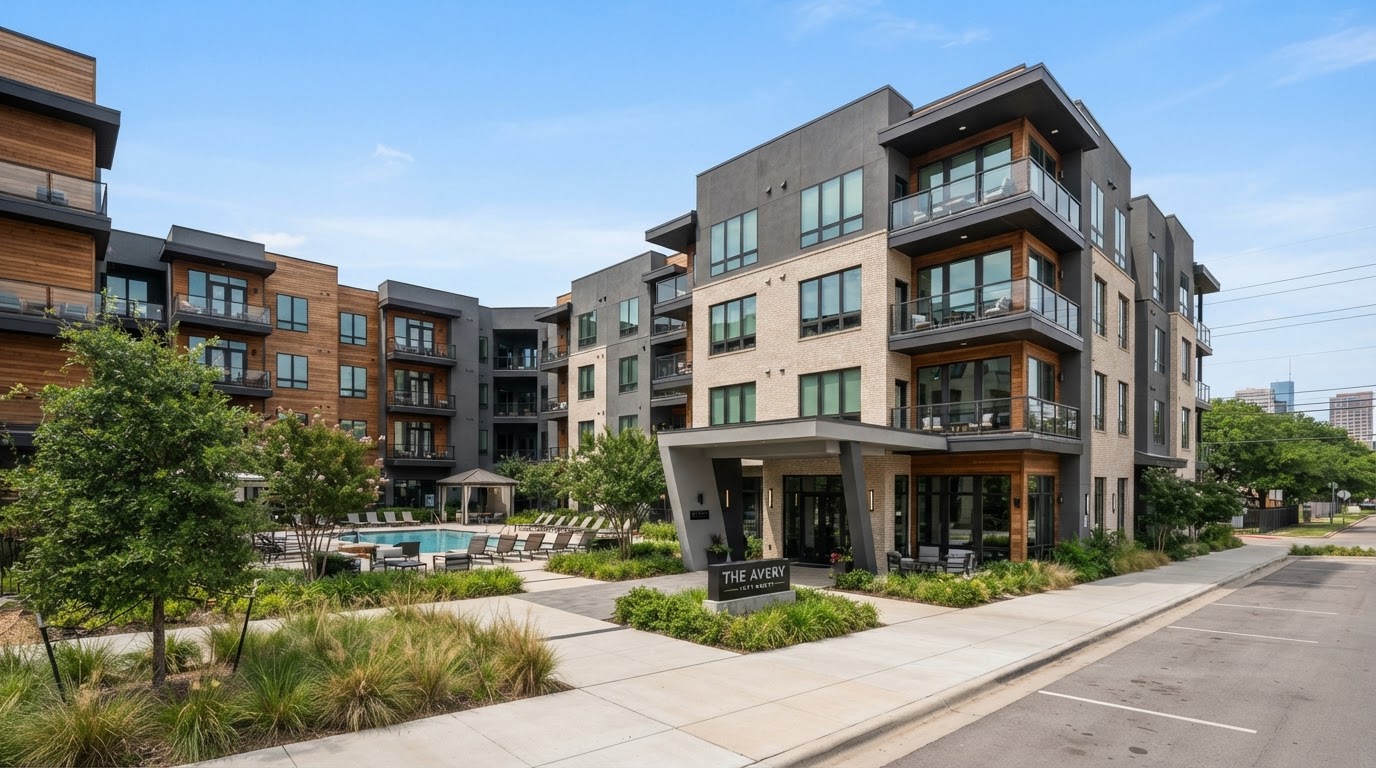
418
Units
$37.5M
Acquisition
$54.5M
Disposition
~2.5 yr
Hold
Case Study Questions
Key Questions This Case Study Answers
What was the project?
Multifamily Syndication. A 418-unit multifamily acquisition with an operational value-add strategy focused on NOI growth, expense management, ancillary income, and disciplined exit timing.
What was Meetu Bhatnagar’s role?
Meetu Bhatnagar, Ph.D., CCIM participated across feasibility, coordination, and execution. The full scope of responsibilities is detailed in the Strategy and Execution sections below.
What was the historical outcome?
The outcome is described in the Outcome section below. All results are presented as historical transaction performance for educational context only. Past performance does not guarantee or predict future results.
What does this case teach commercial owners and buyers today?
A disciplined business plan includes the willingness to exit early when the facts support it. Holding to an original timeline when value has already been created can mean taking on unnecessary risk. The key lesson is: A five-year business plan should not become a five-year obligation when the underlying facts support a different decision.
Project Overview
Multifamily Syndication
In November 2019, the partnership acquired a 418-unit apartment community in Fort Worth for $37.5 million.
The business plan centered on increasing Net Operating Income through operational improvements rather than depending solely on market appreciation.
The Opportunity
Identifying the Right Asset
The 418-unit community presented an opportunity to create value through operational improvements — unit upgrades, ancillary income, and expense management — rather than relying on market appreciation alone.
Strategy
Value Creation Approach
Unit Improvements
Apartment interiors were upgraded where appropriate to support market-based rental increases.
Ancillary Revenue
Additional income opportunities included:
- Covered parking
- Vending
- Pet-related fees
- Lockers
- Other property-level revenue opportunities
Expense Management
The operating strategy also included:
- Improved property management
- Energy-efficiency initiatives
- Vendor contract negotiations
- Operational efficiencies
Challenge
Why the Property Was Sold Early
The business plan progressed ahead of the original schedule while multifamily market conditions were favorable. Capitalization rates compressed and property valuations strengthened. Rather than maintaining the asset simply because the original plan contemplated a five-year hold, the General Partnership evaluated whether continuing to hold offered a better risk-adjusted outcome than realizing the value already created. The decision was made to sell.
$37.5M
Acquisition
$54.5M
Disposition
Execution
Execution
Together, these initiatives contributed to improved Net Operating Income, creating the conditions for an opportunistic exit.
Outcome
Historical Limited Partner Outcome
The historical outcome was achieved over approximately 2.5 years rather than the originally contemplated five-year hold. Investors also received applicable depreciation-related tax allocations during the ownership period, subject to each investor’s individual tax circumstances.
~1.88x
Equity Multiple (Historical)
Historical transaction performance. Past performance does not guarantee or predict future results. Examples: $100,000 invested → approximately $188,000 total distributions. $250,000 invested → approximately $470,000 total distributions.
A five-year business plan should not become a five-year obligation when the underlying facts support a different decision.
Key Takeaway
Key Takeaway
A disciplined business plan includes the willingness to exit early when the facts support it. Holding to an original timeline when value has already been created can mean taking on unnecessary risk.
A five-year business plan should not become a five-year obligation when the underlying facts support a different decision.
Explore Your Deal
Before You Fall in Love With the Deal, Test the Assumptions.
Every commercial property has a story. The asking price tells you what the seller wants. The pro forma tells you what someone hopes will happen. The real question is: what happens when the assumptions meet reality?
Start with the complimentary Deal Room Check.
Other Selected Experience

Ground-Up Multifamily Development
Inside a $54M Ground-Up Multifamily Development: Managing Risk Before It Becomes Cost
View Case Study
Class A Medical Office | Sherman, Texas
A Class A Medical Office NNN Transaction: Basis, Tenant Profile and Exit Discipline
View Case Study
Strategic Land Acquisition
29-Acre Land Acquisition
View Case StudyCase Study Questions
Frequently Asked Questions
Important Disclosure
The transactions described above are historical case studies provided for educational and informational purposes. Individual transaction outcomes vary, and past performance does not guarantee or predict future results. Figures may be rounded and, where indicated, represent gross transaction-level calculations before applicable financing costs, transaction expenses, taxes, fees, and other adjustments. Tax treatment depends on individual circumstances; consult an appropriately qualified tax professional regarding tax matters. JMD Signature Real Estate Group provides commercial real estate brokerage and related real estate services and does not provide legal, tax, securities, or individualized investment advice.